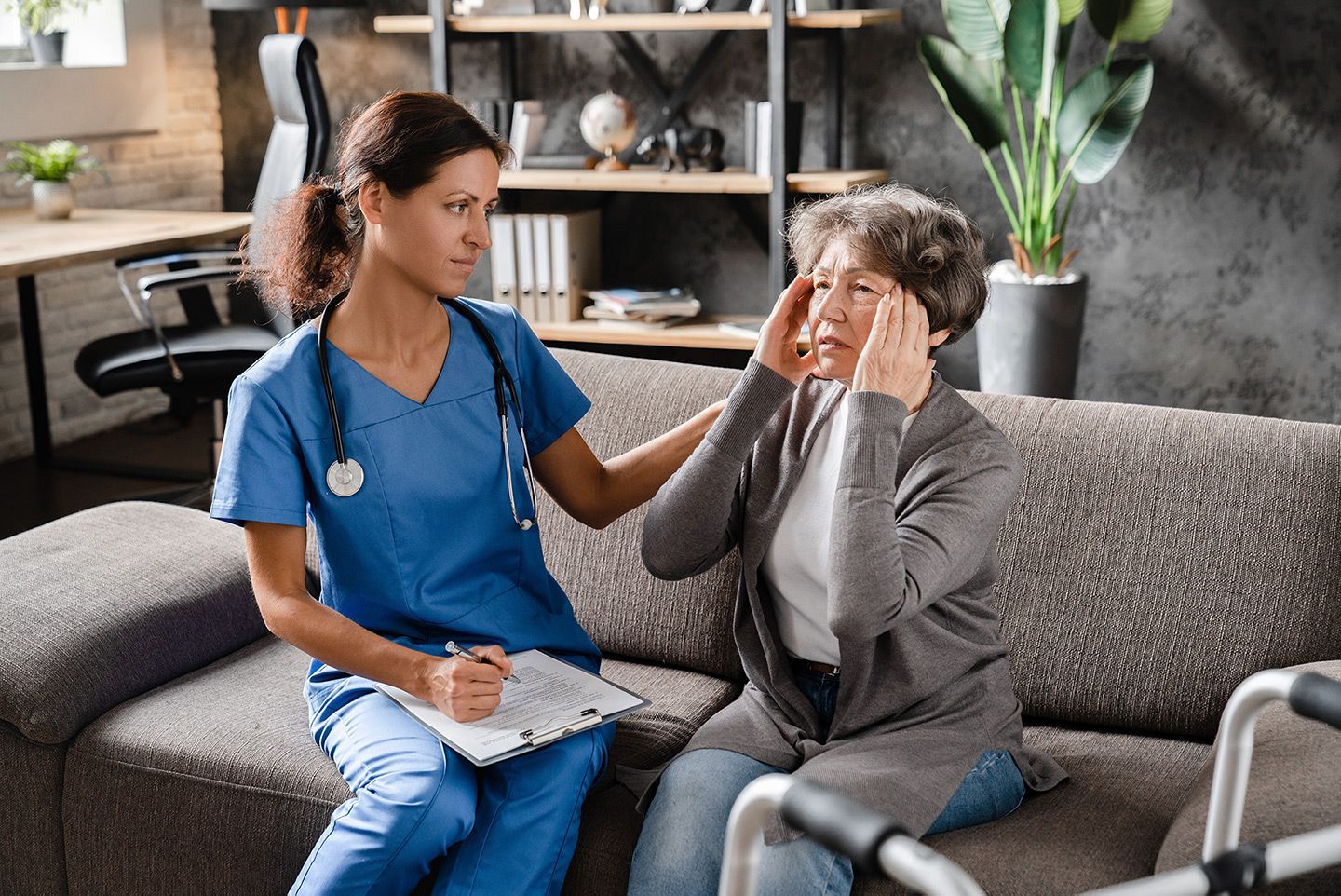
Recognizing and Reporting Abuse and Neglect: A Healthcare Organization’s Ethical and Legal Duty

Silence Is the Greatest Risk
Abuse and neglect often go unreported—not because they are unseen, but because staff fear retaliation or lack clarity on reporting procedures.
Healthcare organizations must eliminate these barriers to protect patients and remain compliant.
Mandatory Reporting Requirements
Most healthcare professionals are legally required to report suspected abuse. Failure to do so can result in:
- License revocation
- Criminal penalties
- Organizational liability
How to Recognize Abuse Early
Early detection saves lives. Staff should be trained to recognize:
- Patterned injuries
- Behavioral changes
- Environmental neglect
- Financial irregularities
Building a Safe Reporting Framework
Essential Components
- Anonymous reporting options
- Clear escalation pathways
- Non-retaliation policies
- Timely investigations

Internal Investigations and Documentation
Proper documentation should include:
- Date and time of incident
- Individuals involved
- Immediate actions taken
- Follow-up measures
How Consulting Support Strengthens Compliance
- Staff Education and Training
Regular, documented training on abuse prevention, patient rights, and mandatory reporting is essential. - Strong Policies and Procedures
Clear definitions, response protocols, and disciplinary measures must be in place. - Anonymous Reporting Systems
Encourage staff and patients to report concerns without fear of retaliation. - Routine Audits and Risk Assessments
Consulting-led audits help identify vulnerabilities before incidents occur.
How Diamond Healthcare Consulting Helps
Diamond Healthcare Consulting supports organizations by:
- Reviewing reporting systems
- Training staff on recognition
- Strengthening investigative processes
- Aligning practices with regulations
Conclusion: Speak Up, Protect Patients
Recognizing and reporting abuse and neglect is not optional—it is a professional and ethical obligation. Organizations that empower staff to speak up create safer environments and stronger compliance programs.
Connect with Diamond Healthcare Consulting to evaluate your reporting systems and ensure your organization meets the highest standards of patient protection.