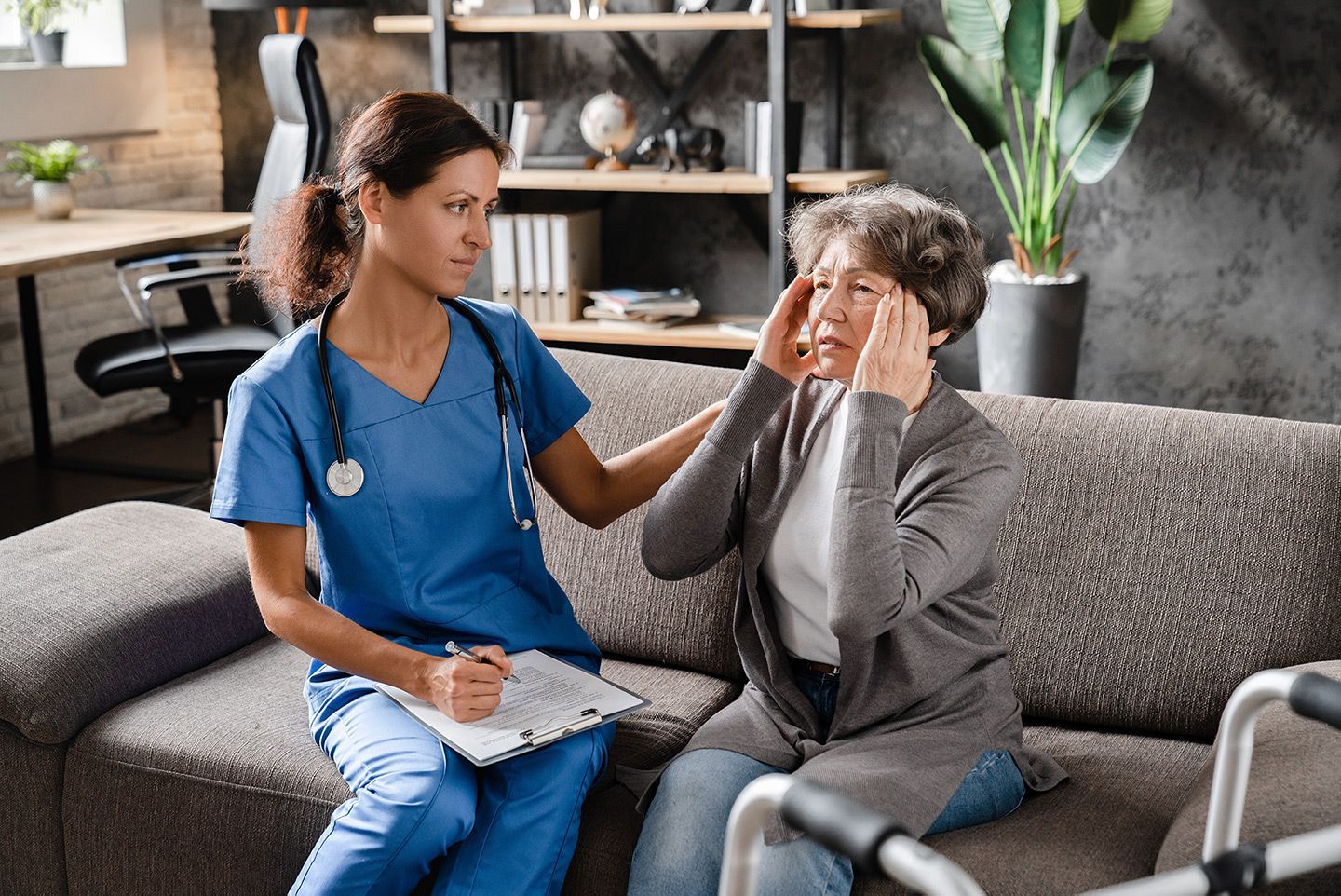
Understanding Abuse and Neglect in Healthcare Settings: A Compliance and Care Imperative

Why Abuse and Neglect in Healthcare Cannot Be Ignored
Abuse and neglect in healthcare settings remain among the most serious threats to patient safety, organizational integrity, and regulatory compliance. From skilled nursing facilities to behavioral health programs and home healthcare agencies, incidents of abuse or neglect can cause devastating harm to patients while exposing organizations to lawsuits, fines, and reputational damage.
At Diamond Healthcare Consulting, we work with healthcare organizations nationwide to identify risk, strengthen compliance programs, and create cultures that protect vulnerable populations. This article explores what abuse and neglect look like in healthcare environments, why they occur, and how organizations can proactively prevent them while maintaining regulatory compliance.
Defining Abuse and Neglect in Healthcare
What Is Abuse?
Abuse refers to intentional acts that cause harm, distress, or exploitation of a patient. Common forms include:
- Physical abuse: Hitting, pushing, improper restraint use
- Emotional or psychological abuse: Threats, humiliation, intimidation
- Sexual abuse: Non-consensual sexual contact of any kind
- Financial exploitation: Misuse of a patient’s funds or property
What Is Neglect?
Neglect occurs when caregivers fail to provide necessary care, resulting in harm or risk of harm. Examples include:
- Failure to provide adequate nutrition or hydration
- Ignoring hygiene or wound care needs
- Inadequate supervision leading to injury
- Delayed medical treatment
Why Abuse and Neglect Occur in Healthcare Facilities
While abuse and neglect are never excusable, understanding contributing factors helps organizations reduce risk:
- Understaffing and burnout
- Inadequate training
- Poor leadership oversight
- Lack of reporting systems
- Weak compliance programs
Healthcare organizations that fail to address these systemic issues increase the likelihood of regulatory violations and patient harm.
Regulatory and Legal Implications
Healthcare providers are required to comply with federal and state regulations, including:
- CMS Conditions of Participation
- State abuse reporting laws
- HIPAA and patient rights statutes
Failure to identify and report abuse and neglect can result in: Civil monetary penalties
- Loss of Medicare/Medicaid certification
- Criminal prosecution
- Lawsuits and settlements
Diamond Healthcare Consulting assists organizations in aligning policies with regulatory expectations and audit readiness.
Warning Signs of Abuse and Neglect
Physical Indicators
- Unexplained bruises or fractures
- Poor hygiene
- Pressure ulcers
Behavioral Indicators
- Fear of caregivers
- Withdrawal or depression
- Sudden financial changes
Organizational Red Flags
- High staff turnover
- Missing documentation
- Inconsistent incident reports
Best Practices for Prevention
- Staff Education and Training
Regular, documented training on abuse prevention, patient rights, and mandatory reporting is essential. - Strong Policies and Procedures
Clear definitions, response protocols, and disciplinary measures must be in place. - Anonymous Reporting Systems
Encourage staff and patients to report concerns without fear of retaliation. - Routine Audits and Risk Assessments
Consulting-led audits help identify vulnerabilities before incidents occur.

How Diamond Healthcare Consulting Helps
Our services include:
- Compliance risk assessments
- Policy development and review
- Mock surveys and audits
- Staff training programs
- Corrective action planning
We help healthcare organizations move from reactive responses to proactive protection.
Conclusion: Protecting Patients Is Everyone’s Responsibility
Abuse and neglect prevention is not just a regulatory requirement—it is a moral and professional obligation. By investing in training, compliance, and culture, healthcare organizations can safeguard patients while strengthening operational integrity.
Take Action: Contact Diamond Healthcare Consulting today to assess your organization’s abuse and neglect prevention framework and build a safer care environment.